
Functional carry · custom development

Custom Commuter Backpacks

Turn the daily work journey into a practical backpack brief. Start with device dimensions, packed contents and access needs; refine organisation, padding, straps and materials through sample review and agreed checks.

Discuss This Product

Start with the intended use. Quantity, timing and materials can still be undecided.

Illustrative everyday backpack reference for commuter development discussion
Product reference for format discussion. Materials, features and performance are confirmed for the project, not inferred from the image.

01 · Intended use

Begin With the User, Load & Environment

  • Retail work-mobility collections with defined laptop sizes and a clear everyday packing list.
  • Employee onboarding programmes combining a device, charger, notebook and coordinated textile accessories.
  • Mixed office and transit routines where quick access and manageable loaded dimensions matter.

02 · Formats to develop

Choose a Practical Starting Format

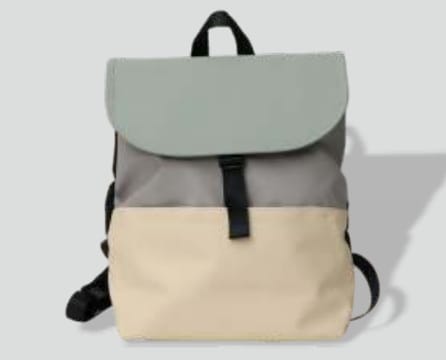
Illustrative everyday backpack format, proposed features subject to development

Everyday device commuter

Discuss a dedicated laptop sleeve, charger storage and accessible essentials pocket. Start with device measurements and a packing layout before deciding overall depth; the photograph is a format reference, not confirmation of these features.

Discuss the format
Illustrative roll-top backpack reference for access and closure discussion

Roll-top commuter

Explore roll-top access for changing daily contents, with separate device access considered where feasible. Review closure usability, filled height and retrieval steps; a roll-top appearance alone does not establish weather protection.

Discuss the format
Illustrative lifestyle backpack reference, not a validated commuter sample

Lifestyle workday backpack

Consider a softer everyday presentation with simplified organisation and discreet branding. Agree which items need separation and which can share space, so styling choices do not obscure device fit or loaded carrying requirements.

Discuss the format

03 · Customisation

Define What Must Be Different

Specify the essential functions first. Material availability, construction and budget determine which options are feasible.

  • Define laptop and tablet compartments from actual device dimensions, including protective cases and insertion clearance.
  • Map charger, cable, bottle and document pockets against a packing list; discuss removable organisers where useful.
  • Specify shell and lining colours, logo application, zipper pulls, labels and packaging within the agreed budget.
  • Review strap adjustment, handle placement, back-panel padding and optional sternum straps for intended users and loads.

04 · Materials & construction

Make the Trade-Offs Visible

These are design choices to evaluate during development, not automatic features or performance guarantees.

Woven shell with optional coating

Potential benefit
Offers choices in handfeel, structure and surface finish.
Trade-off
Coatings may change weight, flexibility and seam requirements.
Confirm before sampling
Agree fabric specification and any weather-resistance claim before choosing verification methods.

Light-coloured woven lining

Potential benefit
Can make small contents easier to locate.
Trade-off
Visible marking and lining weight require consideration.
Confirm before sampling
Review colour, cleaning expectations, pocket seams and interaction with stored items.

Padded, raised-base device sleeve

Potential benefit
Creates separation and space to discuss cushioning.
Trade-off
Padding and base clearance reduce usable internal volume.
Confirm before sampling
Check device width, height, thickness, case allowance and sleeve entry; agree protection objectives separately.

Shaped padded harness and reinforced attachments

Potential benefit
Supports discussion of load distribution and adjustment.
Trade-off
Extra structure adds bulk, weight and construction steps.
Confirm before sampling
Agree user range, intended load, attachment details and comfort-review conditions.
Review the material and construction process

05 · Development checkpoints

Illustrative concept / development discussion

Illustrative development discussion — not a completed customer project or verified test result.

This is not an actual Liora project or validated sample. Proposed checkpoints begin with a device-fit and packing review, producing a dimension sheet and compartment map. A construction review would produce a shell, lining, padding and reinforcement specification. A project-scoped carry/load review would agree loaded weight, duration, users, strap and handle loading methods, cycles and acceptance criteria before any checks. Planned outputs are fit observations, comfort feedback, attachment observations and an issue-and-revision record; no results or protection claims are implied here.

Discuss sample checks, records and acceptance conditions

06 · MOQ & sampling

Plan Around the Actual Specification

Minimum order quantity

Typical carry MOQ is 300 units per style per colour. Confirm quantities alongside material availability, trims and branding. Smaller pilots are considered only after feasibility review, not offered as a standard entitlement.

Sampling influences

Begin with a device list, packing brief and target cost. Agree sampling scope, charges and timing before proceeding. Review fit, access and loaded comfort, record revisions, and approve a specification before production decisions; photographs cannot replace these checkpoints.

07 · Before you brief

Helpful Details to Bring

  • Provide actual device dimensions and case allowances, not screen size alone.
  • List contents, intended loaded weight and typical journey duration.
  • Prioritise pocket access, bottle separation and document organisation.
  • Confirm shell, lining, branding, colours and target cost.
  • Agree sample revisions, project-specific checks, acceptance criteria and order quantities.

Related Development Questions

How should we specify laptop fit?

Send width, height and thickness for each device with its case. Agree sleeve clearance, opening size and base spacing; screen diagonal alone cannot define fit or protection.

Which carry checks belong in our brief?

Define the intended loaded weight and journey first. Agree strap and handle loading, duration or cycles, comfort-review users and acceptance criteria; request recorded observations against that scope rather than an unspecified durability claim.

Explore Work & Mobility

08 · Start the project

Share Your Product Requirements

Your category is carried into the existing project form. Liora reviews the intended use, practical construction options and information needed for the next step.