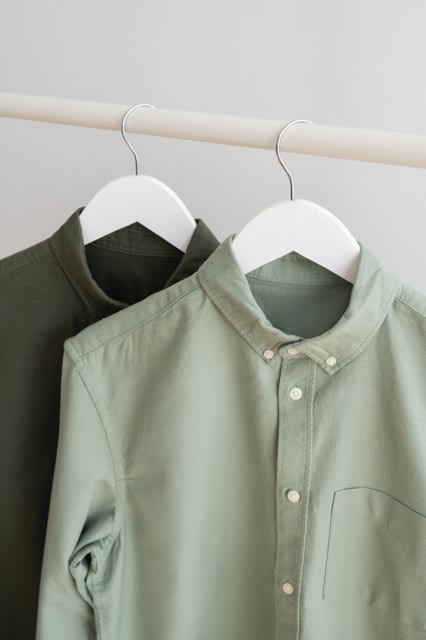

Shirts & Polos
Shirts and polos for everyday collections, teams and customer-facing roles.
Selection cue: Review fit, fabric weight, collar shape, sleeve length and branding position.
Product development & manufacturing
Fit, Fabric & Everyday Function
Build an apparel range around the wearer, season and intended activity. Liora supports brands, importers and retailers with garment selection, fabric discussion, sampling and production coordination. Workwear, schoolwear and corporate apparel remain useful applications, rather than the starting point for every collection.

Product choices
These existing collection images illustrate product formats. Your materials, dimensions, branding and construction are reviewed separately during development; the images do not establish tested performance.
Shirts and polos for everyday collections, teams and customer-facing roles.
Selection cue: Review fit, fabric weight, collar shape, sleeve length and branding position.

Outer layers and everyday utility apparel for work, travel and changing seasons.
Selection cue: Discuss layering allowance, pockets, fabric handle and closure details. No protective certification is implied.
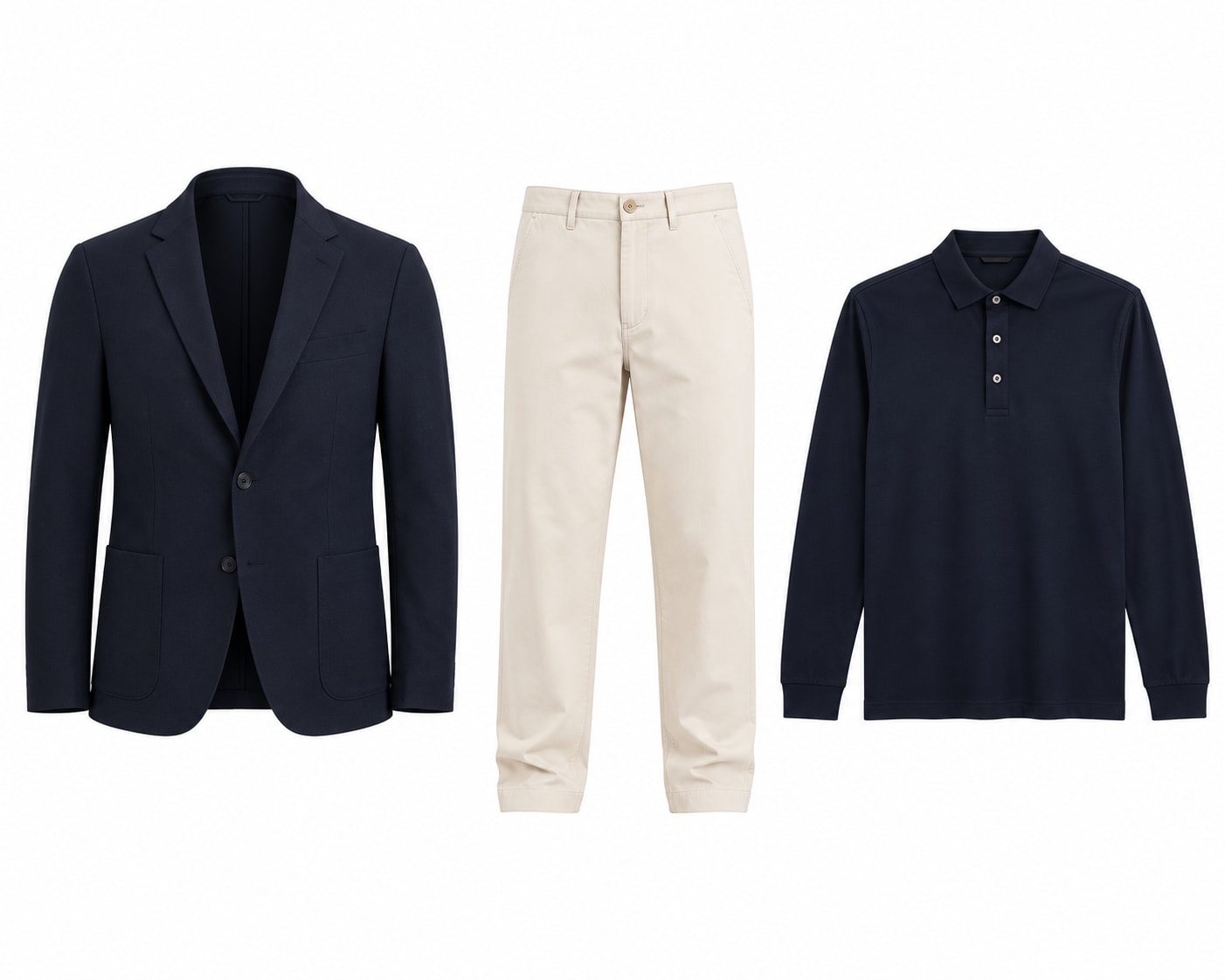

Casual trousers and blazers for lifestyle ranges and coordinated outfits.
Selection cue: Define the silhouette, size range, movement needs and finishing details.

Knitwear for everyday layering, travel and seasonal brand collections.
Selection cue: Discuss yarn composition, knit structure, warmth, weight and care expectations.

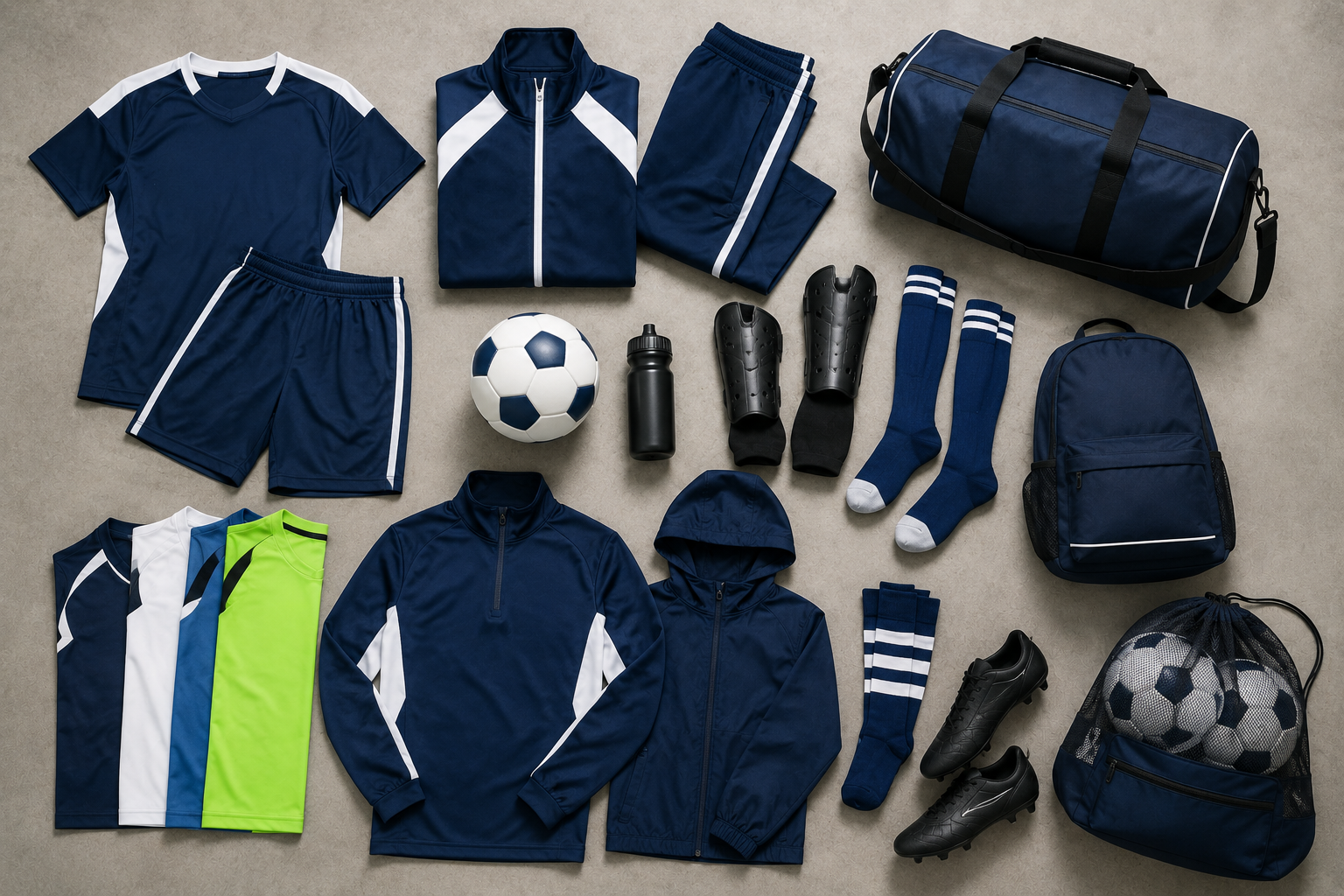
Coordinated apparel for schools, teams, events and corporate collections.
Selection cue: Agree size coverage, colour coordination, logo placement and replenishment needs.
Before selecting a product
Start with the target customer, silhouette and size chart. Provide a reference garment or measurements to guide fit sampling.
Define whether a piece is worn next to the skin, as a mid-layer or over other garments. This influences fabric weight and fit allowance.
Plan styles, colourways and quantities together. Retail ranges and team orders can have different size ratios and replenishment requirements.
Materials & construction
Material and construction choices need to work together. Share your target market, intended use and price positioning so the sample brief reflects the product you want to manufacture.
Explore manufacturing capabilitiesDiscuss composition, weight, stretch and hand feel for shirts, polos, trousers and outer layers. Compare options to the intended wear and price positioning.
Review yarn, knit structure, rib details, trims and care expectations. Sample review should cover measurements, appearance and finishing.
Discuss embroidery, print, labels and trims in relation to the fabric. Workwear here refers to everyday utility garments, not certified protective clothing.
Your next step
Send your references and requirements through the product enquiry form. We review materials, construction, quantities and timing before agreeing the sampling approach. Sample review allows fit, dimensions, functionality and finish to be refined before production.
Typical apparel MOQ is 50 pieces per style. Final quantity requirements depend on fabric availability, colourways, trims and customisation and are confirmed after brief review.