


Everyday & Commuter Backpacks
Day packs, laptop backpacks and roll-top formats for work, commuting and daily essentials.
Selection cue: Start with device size, daily load, pocket access and carrying comfort.
Product development & manufacturing
Choose the Format Around the Journey
For brands, importers and retailers, the right bag starts with what it needs to carry and where it will be used. We help translate that brief into a product format, material choices and construction details for sampling and manufacturing. Corporate and team collections can use the same practical approach.

Product choices
These existing collection images illustrate product formats. Your materials, dimensions, branding and construction are reviewed separately during development; the images do not establish tested performance.
Day packs, laptop backpacks and roll-top formats for work, commuting and daily essentials.
Selection cue: Start with device size, daily load, pocket access and carrying comfort.


Gym backpacks, duffels and team bags for training kit, clothing and short trips.
Selection cue: Review shoe storage, wet-kit separation, capacity and easy-clean areas.


Hiking packs, day packs and dry-bag formats for equipment and days outside.
Selection cue: Define exposure to rain, splashes or immersion before choosing materials and seams.


Weekenders, totes, waist bags and organisers for short trips and daily essentials.
Selection cue: Choose the carrying mode, opening, pocket layout and packable or structured shape.

Pet carriers and organisers developed around the animal, journey and items to pack.
Selection cue: Specify pet dimensions, intended load, ventilation, access and cleaning needs.

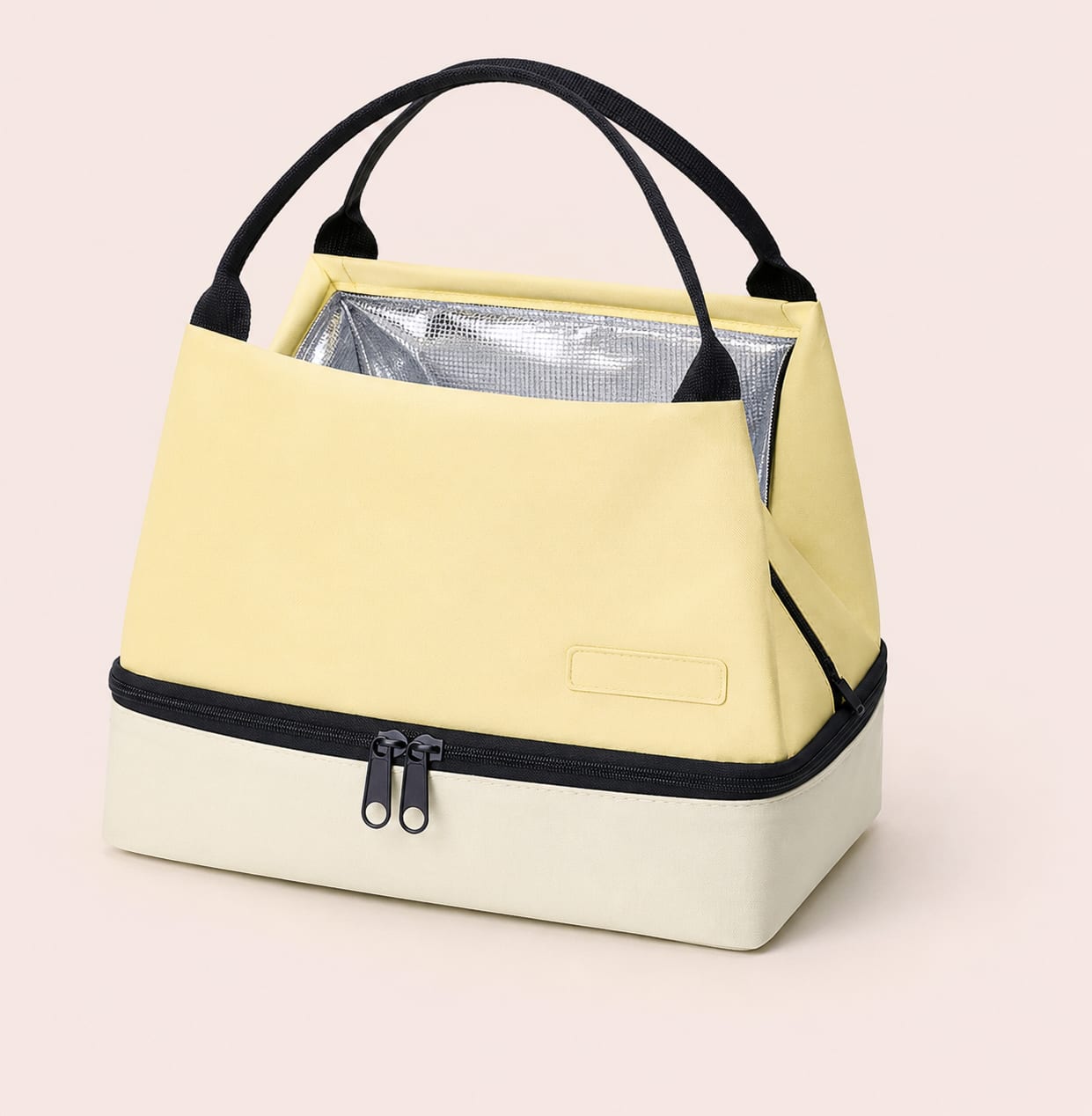
Soft coolers, lunch bags and insulated totes for food, drinks and leisure use.
Selection cue: Discuss contents, capacity, insulation, lining and closure; confirm performance requirements separately.
Before selecting a product
List the items to carry, their dimensions and the expected load. A commuter backpack, training duffel and outdoor dry bag solve different problems.
Decide which items need quick access and whether shoes, devices, wet kit or food require separate compartments.
Describe the conditions of use. Water resistance, waterproof construction and insulation need distinct specifications and project-specific validation.
Materials & construction
Material and construction choices need to work together. Share your target market, intended use and price positioning so the sample brief reflects the product you want to manufacture.
Explore manufacturing capabilitiesDiscuss woven polyester or nylon, canvas and coated fabrics against weight, handle, abrasion needs and appearance. Material availability is reviewed with the brief.
Review foam, reinforcement, strap width, back-panel construction and hardware in relation to the load and carrying method.
Coated materials, welded seams and insulation can be considered where appropriate. Agree closures, seams and any testing requirements before making performance claims.
Your next step
Send your references and requirements through the product enquiry form. We review materials, construction, quantities and timing before agreeing the sampling approach. Sample review allows fit, dimensions, functionality and finish to be refined before production.
Typical carry MOQ is 300 pieces per style per colour. Pilot-order flexibility is assessed against the materials, construction and production brief; a lower quantity is not guaranteed.